
 Beau Parker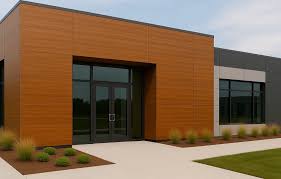
 0
0  0
0 Enhancing the exterior of a building requires materials that are not only visually appealing but also durable and resistant to weather. Among the top choices for façades and exterior cladding are Wooden elevation board (Deska elewacyjna drewniana). These premium boards provide a combination of elegance, functionality, and longevity, making them ideal for modern architecture, residential homes, and commercial buildings.
Why Are Wooden Elevation Boards Popular for Exteriors?
Exterior applications expose materials to sun, rain, wind, and temperature fluctuations. So why are wooden elevation boards particularly suitable? Wood offers natural insulation, aesthetic warmth, and versatility in design. High-quality wooden boards are treated or selected to withstand moisture, UV rays, and pests, ensuring long-term performance.
Additionally, wooden elevation boards can be customized in terms of color, texture, and size, providing architects and homeowners the flexibility to create unique, stylish façades. Unlike synthetic materials, wood exudes a natural beauty that blends seamlessly with landscaping and urban environments.
What Types of Wood Are Used for Elevation Boards?
Choosing the right wood type is essential for durability and appearance. But what are the main options for exterior boards?
- Cedar: Naturally resistant to decay and insects, cedar has a pleasant aroma and rich color that weathers to a silver-gray over time.
- Larch: Known for its density and strength, larch is highly weather-resistant and suitable for both contemporary and traditional designs.
- Oak: A premium hardwood with excellent durability, oak is resistant to mechanical wear and can be finished in various stains or oils.
- Thermally Treated Softwoods: Heat treatment improves moisture resistance and stability, enhancing longevity without chemical preservatives.
Selecting the right wood type ensures that the elevation board remains visually appealing and structurally sound for many years.
How Are Wooden Elevation Boards Treated for Exterior Use?
Wooden boards require specific treatments to withstand outdoor conditions. But how are they prepared for exterior applications?
- Pressure Treatment: Impregnates wood with preservatives to resist rot, insects, and fungal growth.
- Thermal Modification: Heat treatment reduces moisture content, stabilizes the wood, and improves resistance to decay.
- Oil or Stain Finish: Protects wood from UV damage and enhances natural grain, while allowing for customization in color.
- Anti-Slip or Textured Finishes: For areas where the boards might be walked on or come into contact with moisture, textured finishes improve safety and durability.
These treatments ensure that wooden elevation boards maintain performance and beauty over time.
How Do Wooden Elevation Boards Improve Building Performance?
Exterior materials affect both aesthetics and functionality. So how do wooden elevation boards enhance building performance?
- Thermal Insulation: Wood naturally reduces heat transfer, helping maintain interior temperature and energy efficiency.
- Moisture Regulation: Treated wood can absorb and release moisture without warping, protecting the underlying structure.
- Acoustic Benefits: Wood provides natural sound absorption, reducing noise from external environments.
- Sustainability: Using responsibly sourced wood contributes to eco-friendly building practices.
Combining these functional benefits with elegant design makes wooden elevation boards a valuable choice for modern construction.
What Installation Methods Are Recommended?
Proper installation is crucial for longevity. But what techniques ensure a durable and safe façade?
- Vertical or Horizontal Alignment: Depending on design, boards can be installed vertically for a sleek, modern look or horizontally for a traditional feel.
- Ventilated Façade Systems: Creating an air gap between the wall and boards prevents moisture buildup, extending the life of the wood.
- Hidden Fasteners: Clips or concealed screws maintain a clean appearance while allowing wood expansion and contraction.
- Proper Overhangs and Flashing: Protects boards from direct water exposure and reduces the risk of rot.
Following best practices in installation maximizes the aesthetic and functional benefits of wooden elevation boards.
How Do You Maintain Wooden Elevation Boards?
Even treated boards require periodic maintenance to retain their appearance. But what maintenance practices are necessary?
- Cleaning: Remove dirt, dust, and mold using mild detergents or water pressure washing on low settings.
- Re-Oiling or Staining: Apply protective finishes every few years to preserve color, shine, and UV resistance.
- Inspection for Damage: Check for cracks, warping, or loose fasteners to prevent structural issues.
- Prevent Moisture Trapping: Ensure gutters, flashings, and overhangs function correctly to keep boards dry.
Routine maintenance keeps wooden elevation boards functional and attractive for decades.
Can Wooden Elevation Boards Withstand Extreme Weather?
Exterior façades face harsh conditions, from storms to sun exposure. So can wooden elevation boards endure extreme climates? Yes. Premium boards like larch, cedar, or thermally treated softwoods are designed to resist moisture, UV damage, and temperature fluctuations. Combined with proper installation, they maintain stability, preventing warping, cracking, or decay even under challenging environmental conditions.
How Do Wooden Elevation Boards Compare to Other Cladding Materials?
When planning a façade, homeowners and designers may consider alternative materials. But how do wooden boards compare?
- Vinyl or PVC: While low-maintenance, synthetic materials lack the natural aesthetic and insulation properties of wood.
- Metal Panels: Metal is durable but can be prone to corrosion, heat retention, and noise issues.
- Fiber Cement: Offers longevity but often requires professional installation and may lack the warmth of natural wood.
Wooden elevation boards provide a unique combination of visual appeal, natural insulation, and environmental sustainability that synthetic options cannot fully replicate.
Are Wooden Elevation Boards Environmentally Friendly?
Sustainability is increasingly important in construction. But are wooden boards eco-friendly? Yes. Responsibly sourced wood from certified forests ensures renewable management practices. Using wood also reduces carbon footprint compared to energy-intensive materials like metal or concrete. Additionally, the longevity of well-maintained wooden boards minimizes replacement frequency, further reducing environmental impact.
What Design Possibilities Exist with Wooden Elevation Boards?
Wooden elevation boards are versatile and adaptable. But what creative options exist?
- Color Variations: Boards can be stained, painted, or oiled to match specific architectural themes.
- Patterned Layouts: Vertical, horizontal, diagonal, or mixed alignments create dynamic visual effects.
- Combination Materials: Wood can be combined with glass, metal, or stone to achieve contemporary aesthetics.
- Layered or Textured Surfaces: Adds depth and visual interest, enhancing the façade’s architectural appeal.
These options allow homeowners and designers to create façades that are both functional and visually striking.
How Can You Optimize Costs Without Compromising Quality?
Premium wooden elevation boards can be an investment, but costs can be managed wisely. So how do you optimize expenditure?
- Select Sustainable Softwoods: Larch or cedar offers excellent durability at lower prices than exotic hardwoods.
- Use Standard Sizes: Reduces cutting waste and labor time.
- Mix Premium Boards with Cost-Effective Substructures: High-quality boards can be placed in visible areas while using more affordable materials in hidden sections.
- Plan Installation Carefully: Proper measurements and layout reduce errors and additional material needs.
Strategic planning ensures high-quality façades without unnecessary expense.
Where Can You Source Wooden Elevation Boards?
Wooden elevation boards are available through specialized timber suppliers, building material stores, and online distributors. Choosing certified wood guarantees quality and sustainability. Examining samples in person allows assessment of grain, color, and finish before making a purchase, ensuring the boards meet both aesthetic and functional requirements.
Conclusion: Are Wooden Elevation Boards Worth the Investment?
Wooden elevation boards provide a blend of elegance, durability, and functionality for exterior applications. With proper material selection, installation, and maintenance, they offer long-lasting performance while enhancing building aesthetics. Their natural insulation, resistance to weather, and eco-friendly characteristics make them a preferred choice for modern architecture and residential projects.
By investing in premium wooden elevation boards, homeowners and designers can achieve façades that are visually stunning, structurally sound, and environmentally responsible. These boards not only elevate the exterior design but also contribute to long-term property value and outdoor comfort, proving that quality wood is a wise and enduring investment.


